.png)


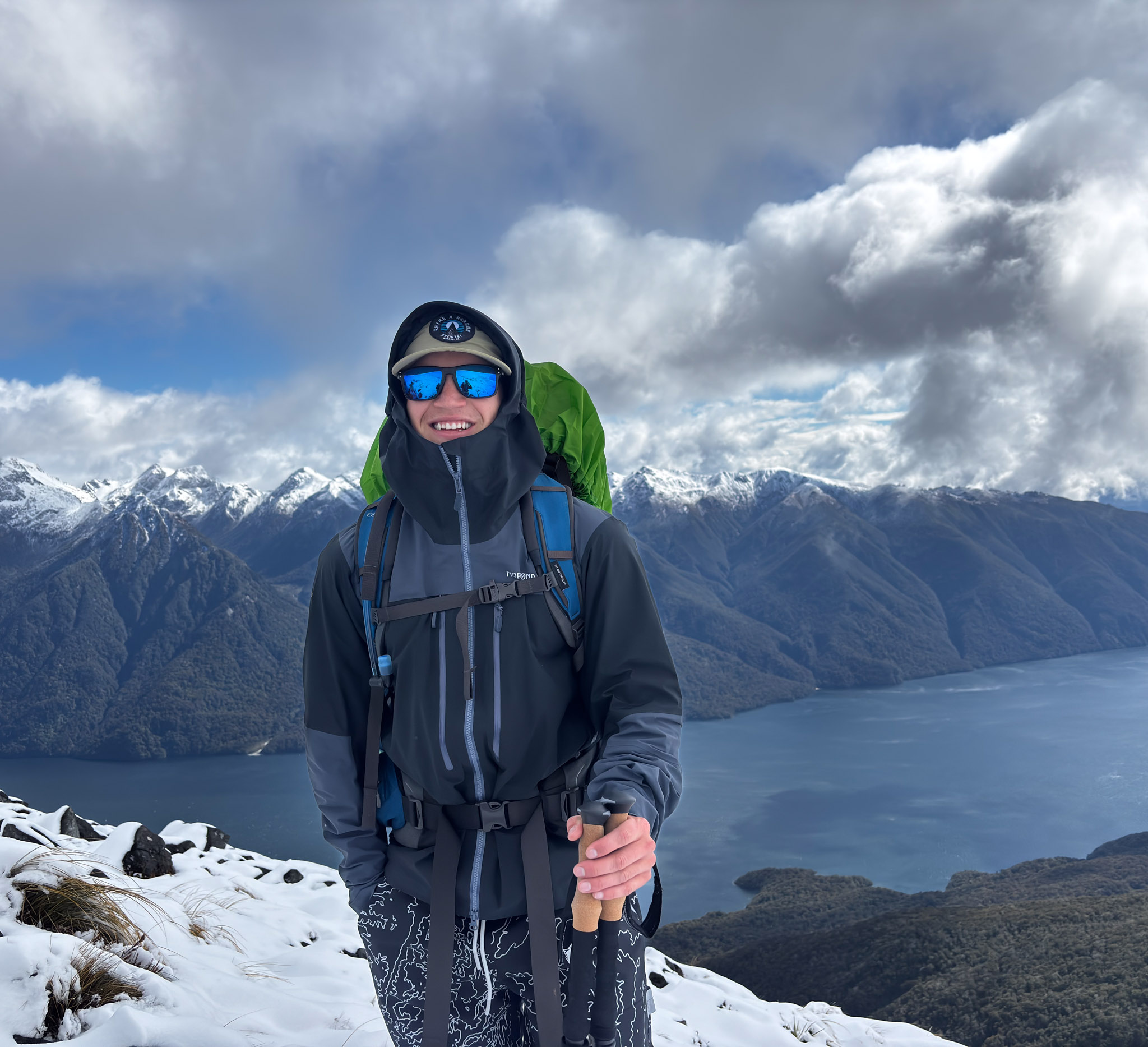
I quit my job. Sold my truck. Got rid of most of what I owned. Then I got on a plane to New Zealand.


Let’s connect to the elevate your social media of presences with the strategy, content, creativity, engagement, and growth!


Type above and press Enter to search. Press Close to cancel.
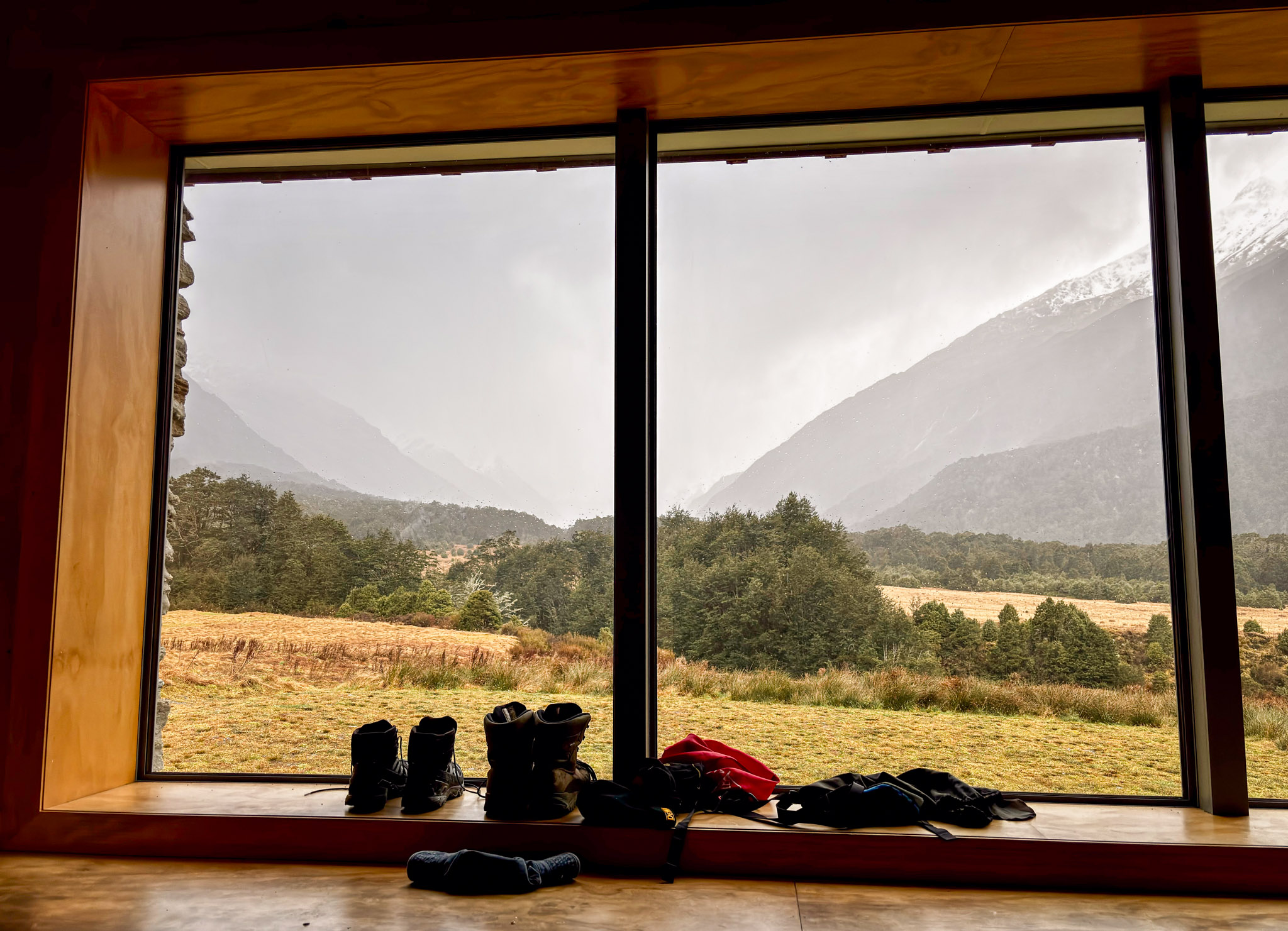
Mt Aspiring National Park
Aspiring Hut was my first overnight hike.
I’d been around hiking enough to know what to expect from a day trip, but staying out overnight was new. Still, I didn’t feel nervous going into it. If anything, I was looking forward to it.
Part of that came from the group. This was a boys trip — simple plan, good people, nothing overcomplicated. That invitation is what opened the door for me. Without it, I probably wouldn’t have gotten into overnight hiking when I did.
The day before was spent getting gear together — headlamp, stove, pot, gas, and the rest of what I thought I’d need. Nothing was particularly dialed, but it felt like enough to get started.
We left the next morning after a slow start — breakfast, gym, sauna. No rush. By the time we picked everyone up and started driving toward Raspberry Creek, it still felt like a normal day.
The road in was gravel the entire way, with a few river fords along the route. Not technical, but it requires attention — uneven sections, loose surface, and choosing your line through the crossings.
I’d done the drive twice before, but it still holds your attention. Not because it’s difficult, but because of the setting — mountains, waterfalls, dense forest. The approach feels like part of the trip.
The track itself was straightforward.
We started with rain sitting in the distance. For the first stretch, it came and went, nothing consistent. Toward the final section, it settled in properly and turned into steady rain for the remainder of the hike.
It didn’t make the track any more difficult, but it did change how it felt — quieter, more focused, and a bit more drawn out as you paid closer attention to footing and gear.
Arriving at Aspiring Hut felt simple, not dramatic.
We stepped inside, dropped packs, and settled in. There were a few others already there, but it didn’t feel crowded. Everyone just found their space naturally.
What stood out wasn’t the location or the effort to get there. It was how quickly everything slowed down.
No service. No distractions. Nothing competing for attention.
We ended up sitting around, playing cards, eating, talking — the kind of night that feels uneventful in the moment but sticks with you after. It didn’t feel like a “trip.” It felt more like a reset.
The next morning was straightforward.
Light rain at the start, then it cleared. The track out felt easier, mostly because there was nothing left to figure out. Just walking, talking, and taking it in.
By the time we were back at the car, it felt like we’d been out longer than we actually had.
Looking back, the trip wasn’t defined by the hike itself.
It was how accessible it felt.
I went into it expecting something more complicated — more gear, more friction, more unknowns. But the hut system removes most of that. You don’t need to carry everything. You don’t need to overthink it.
That simplicity is what makes it work.
There were things I’d change.
My sleeping setup wasn’t ideal. A down sleeping bag would’ve been warmer and easier to pack. A proper pillow would’ve made a difference. Waterproof pants would’ve helped once the rain set in. A pack liner or dry bag would’ve kept everything inside my bag properly dry.
At the time, I was using more of a travel-style backpack. It worked, but it wasn’t built for this.
All of that got upgraded later.
But none of it mattered for that first trip.
Because the barrier to getting started turned out to be a lot lower than I expected.
That’s what stuck with me.
Not the conditions. Not the gear.
Just how easy it was to step into something new and have it work.
And how quickly it made sense to do it again.

I quit my job. Sold my truck. Got rid of most of what I owned. Then I got on a plane to New Zealand.
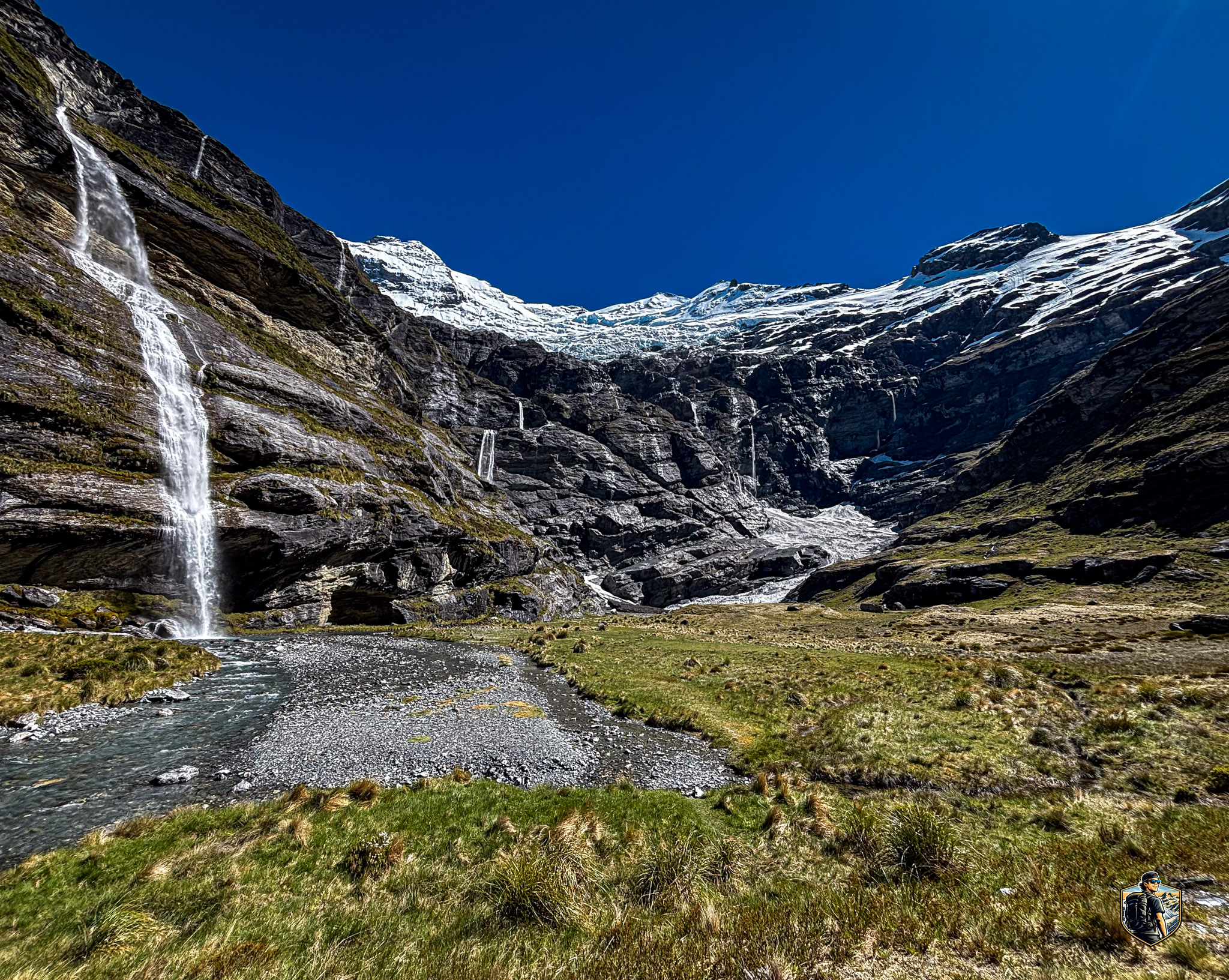
Earnslaw Burn demanded attention the entire way. Not because it was dangerous, but because every step mattered.

.png)