.png)


Type above and press Enter to search. Press Close to cancel.

Let’s connect
Let’s connect to the elevate your social media of presences with the strategy, content, creativity, engagement, and growth!


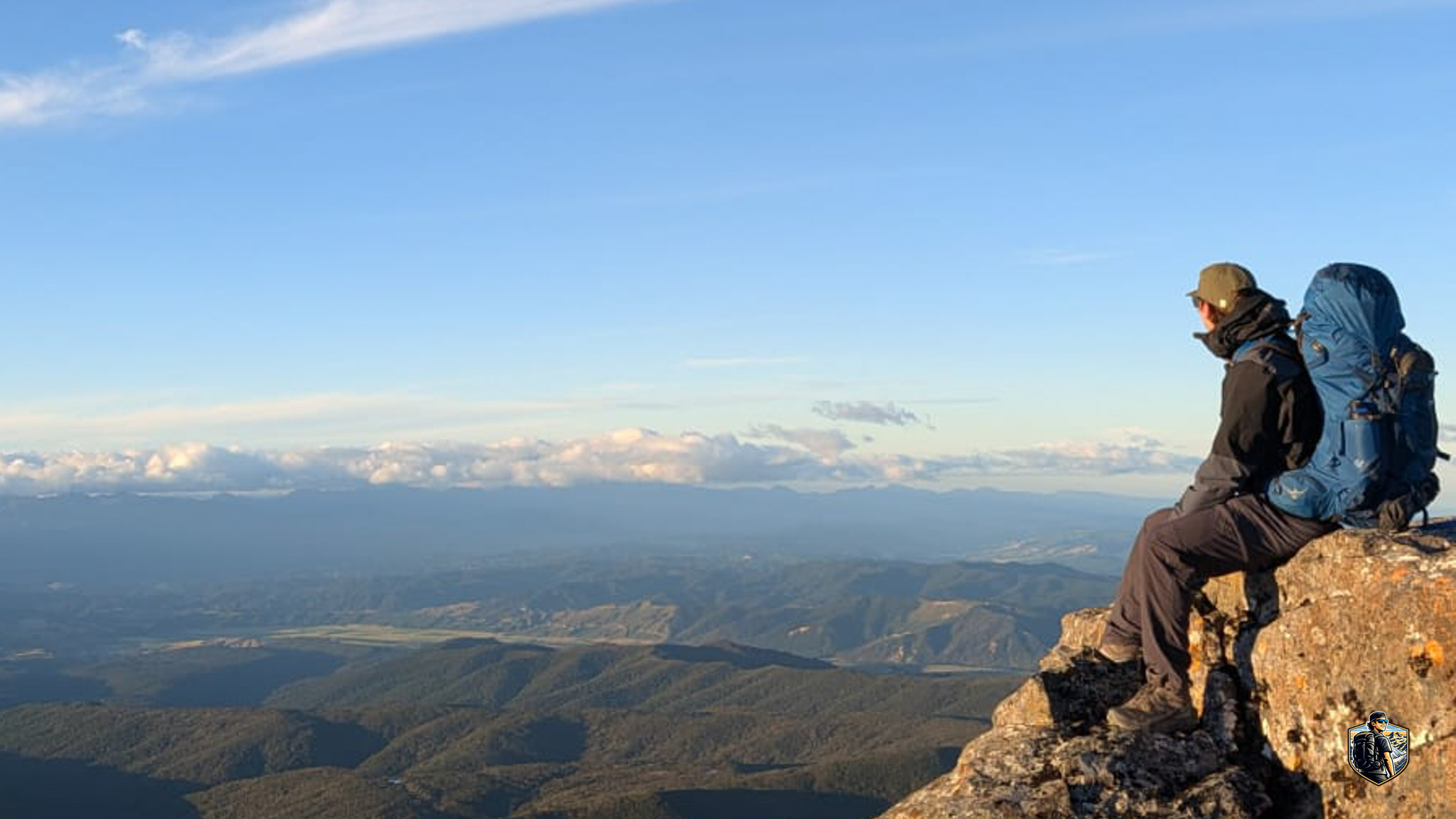
The Quiet Value of Traveling Alone
I love traveling alone because it gives me complete freedom.
I can do what I want, when I want, without waiting for a group to agree or worrying about whether something fits everyone’s budget. If I see an experience I want and it’s a price I can afford, I book it. There’s no trip that never makes it out of the group chat.
That freedom changes everything.
It shapes how fast I move, what I prioritize, and how deeply I engage with the places I’m in. I don’t travel for rest. I travel for experience. To most people, the way I move probably doesn’t look relaxing. To me, it’s a thrill.
I don’t do well with stagnation. I thrive on movement, novelty, and new input. I know I can’t see everything — but I still try to see as much as I can, and I make the most of the time I have.
Traveling alone lets me do that without compromise.
Freedom Without Friction
Freedom is the obvious reason people give for traveling alone.
What they usually mean is flexibility.
What they don’t talk about is friction.
So many trips never make it out of the group chat. Not because people don’t want to go, but because groups struggle to decide. Where to go. When to go. How much to spend. Someone’s always waiting on someone else. Someone’s budget doesn’t line up. Someone hesitates long enough that the moment passes.
When you travel alone, none of that exists.
If I see something I want to do and it’s a price I can afford, I book it. I don’t need approval. I don’t need consensus. I don’t need to justify why it’s worth it. I can move when I want, stay longer when it feels right, or leave the moment I’m done with a place.
I don’t take vacations. I travel.
Most people wouldn’t find the way I move relaxing. I like seeing as much as possible. I enjoy being in motion, feeding myself new places, new environments, new experiences.
That freedom matters even more when it comes to the things I enjoy most. I’m an adrenaline junkie. It’s hard to find people who want to jump out of a plane or off a bridge without hesitation. When I’m alone, that limitation disappears. If the opportunity is there, I take it — no convincing required.
Traveling alone removes the drag.
What’s left is momentum.
Pace & Intensity
When I travel, I move fast.
I like full days. Early starts. Long stretches where one thing rolls into the next. If I’m sitting around “relaxing” for too long, my body gets restless. Not because I’m stressed — but because it feels like I’m missing something. Like there’s an experience I’m passing up without realizing it.
For a long time, I wondered if I was doing it wrong. If travel was supposed to feel slower, quieter, more still.
Eventually, I realized this is just how I’m built.
I know I’ll never see everything. I’ve come to terms with that. But I still want to experience as much as I can while I’m somewhere. Busy days feel worth it to me. They leave me tired in a good way. Accomplished. Like I actually showed up for the place instead of drifting through it.
That pace is hard to maintain with other people.
Not everyone wants to stack experiences. Not everyone wants to keep moving. And when extreme sports are involved, the gap gets even wider.
Traveling alone removes that friction.
I don’t have to leave someone behind. I don’t have to talk anyone into anything. If the opportunity is there and it excites me, I can take it. My pace stays intact. My intensity doesn’t have to be diluted.
That freedom isn’t about doing more for the sake of it.
It’s about moving in a way that actually feels natural to me.
People Come Easier When You’re Alone
A big reason I travel is to meet people.
Learning about someone else’s life, where they come from, and how they see the world inevitably shapes how you see your own. Every conversation adds a little context. A little perspective you didn’t have before.
That part of travel is easier when you’re alone.
When you’re with other people, it’s easy to stay contained. Conversations stay within the group. You move as a unit. When you’re solo, that buffer disappears. If you don’t talk to anyone, you spend your time alone.
Sometimes that’s fine. Most of the time, it’s not what I want.
I’m an extrovert. I enjoy meeting new people. But that doesn’t mean it’s always comfortable. Starting conversations with strangers can feel awkward, even unnatural, especially in a new place where you don’t know the social rhythm yet.
Traveling alone removes the option to avoid that discomfort.
You start conversations anyway. At a hostel. On a bus. In a café. On a hike. The first few feel clumsy. Then something shifts. The friction fades. It gets easier. More natural. Almost automatic.
Traveling alone doesn’t just make it easier to meet people.
It makes you practice doing it.
And like anything else, the practice compounds.
Leaving Impressions, Not Changing Lives
One of my goals in life is to impact as many people as possible.
Not in a dramatic way. I’m not trying to change anyone’s life. What I care about is leaving an impression — something small but memorable. A conversation that sticks. A moment someone thinks about later.
Solo travel gives me more opportunities to do that.
When you’re alone, you’re more open. More approachable. You end up talking to people you might not otherwise cross paths with. A stranger at a café. Someone passing through on the same timeline. A conversation that exists for an hour and then disappears.
Those moments matter to me.
Most of these people will move on. So will I.
But sometimes, the conversation stays.
And that’s enough.
Comfort With Yourself
Traveling alone forces you to sit with yourself in a way most people aren’t used to.
At first, there’s discomfort. Society quietly teaches you that being alone means you’re lonely — that if you’re eating by yourself, walking around by yourself, or showing up somewhere alone, something must be wrong.
It feels strange at the beginning. Sitting at a café alone. Joining a tour alone. Eating a nice meal without anyone across the table.
Then, slowly, it stops mattering.
With repetition, the discomfort fades. Being alone starts to feel normal. Eventually, it starts to feel good. You become more present because there’s nothing pulling your attention outward.
You get used to your own company.
That comfort builds confidence — not the loud kind, but a quiet steadiness. Independence stops being something you perform.
It becomes something you live.
Growth Without Drama
Traveling alone doesn’t eliminate fear or discomfort. You still feel them. That’s natural.
The difference is how often you choose to move anyway.
Over time, the voice in your head that hesitates or warns you grows quieter. It doesn’t disappear — it just loses control.
You become more comfortable with yourself.
More comfortable being exactly who you are.
Most people you meet will be temporary. A few will stay. Those friendships make the uncertainty worth it.
And then there are the experiences you never forget — not because they were easy, but because you almost didn’t do them.
That’s where the growth comes from.
Not forced. Not performative.
Just lived.


.png)