.png)


Type above and press Enter to search. Press Close to cancel.

Let’s connect
Let’s connect to the elevate your social media of presences with the strategy, content, creativity, engagement, and growth!



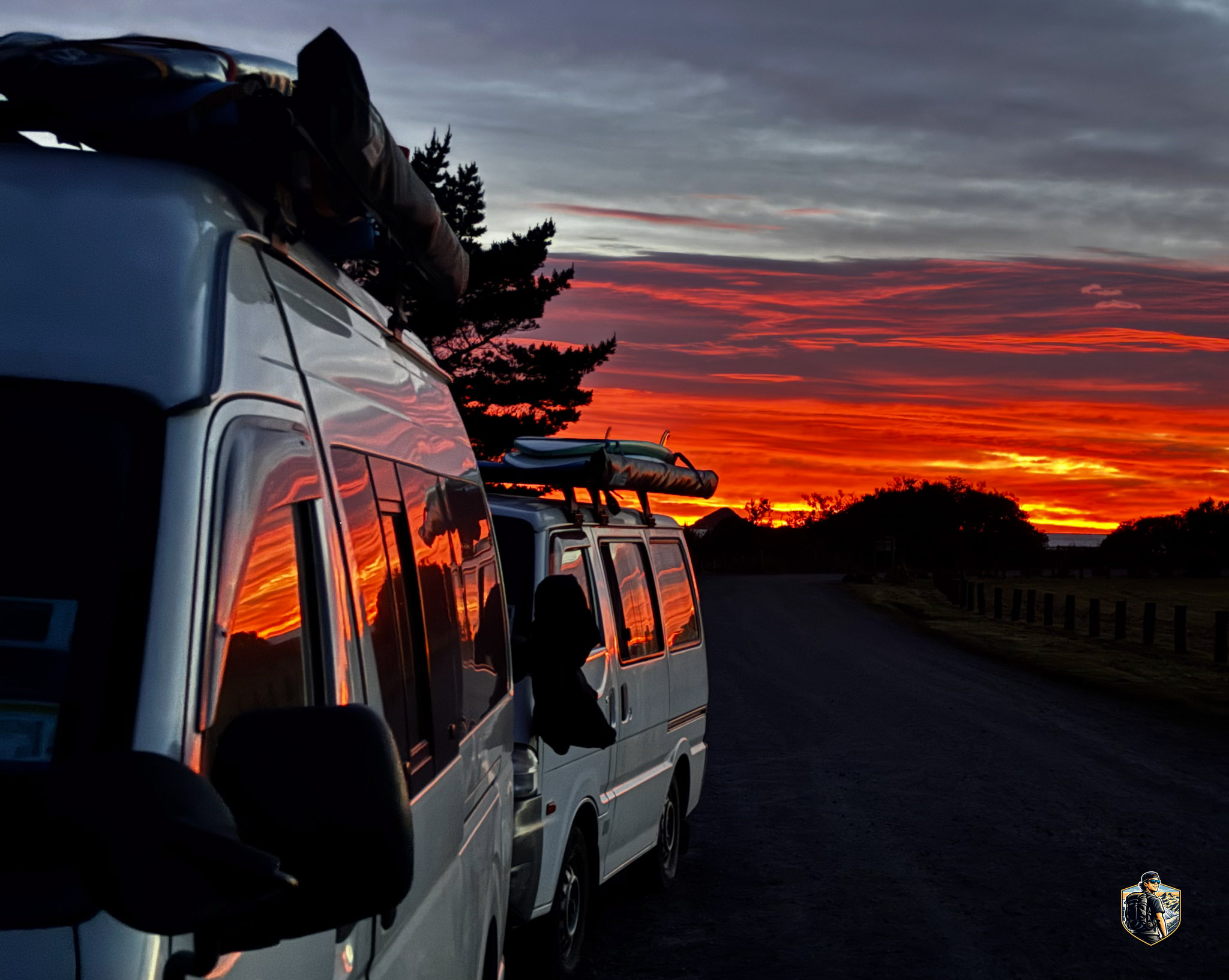
Living Out of a Van in New Zealand: What Actually Matters
What I Thought Van Life Would Give Me
When I first imagined van life, it looked like freedom.
The freedom to move whenever I wanted. To wake up somewhere new. To always have my home with me. I pictured parking up next to beaches, mountains, rivers, and lakes — the kinds of views people build million-dollar houses just to look at. I imagined spontaneous friendships at campsites, shared dinners, easy conversations that carried on night after night.
Van life felt like momentum. Like possibility. Like choosing openness over routine.
And to be fair — some of that turned out to be true.
But not in the way I expected.
What I Didn’t Think About
What I didn’t fully understand was how much van life quietly asks of you.
When you live out of a vehicle, you’re only as secure as the vehicle itself. When something breaks — or needs maintenance — you’re suddenly without a home. Even routine repairs carry weight, because you’re not just fixing transport. You’re fixing shelter.
I didn’t think about bad weather days either. When it rains for days on end, your world shrinks fast. A van can feel cozy for a while, but after a stretch of gray, wet days, it starts to feel confining. There’s no pacing from room to room. No changing environments. Just you, the walls, and weather that slowly closes your world in.
Some nights aren’t scenic. They’re just parking lots. No sunset. No magic. Just a place to sleep because it makes sense logistically.
And then there’s winter.
I didn’t think about how I’d shower when rivers and lakes were too cold to be comfortable. I ended up getting a gym membership for two reasons that mattered equally: staying fit and having access to warmth and routine. Hot showers became non-negotiable, but so did movement. Training gave my days structure in a way van life doesn’t naturally provide.
But when you’re constantly moving, gym access isn’t guaranteed. That stability disappears the moment you change regions.
None of this is unmanageable — but none of it shows up in the highlight reels either.
The Loneliness No One Posts About
This was the part I was least prepared for.
Van life can be quiet. Really quiet.
You don’t have roommates. You don’t hear other people moving around the house. There’s no ambient noise unless you create it. On days when you feel good, the solitude feels grounding. On days when you don’t, it feels amplified.
A small space doesn’t distract you from loneliness — it reflects it.
There were days when the walls felt like they were mocking me. When the lack of human presence felt louder than any crowd ever could. You don’t think about how much incidental connection exists in normal life until it’s gone.
That was harder than I expected.
The Logistics That Quietly Shape Your Days
Living in a van forces you to become strategic in ways you don’t anticipate.
Storage is part of it, but it’s only the most visible piece. The real shift is how much mental bandwidth daily logistics take up. You’re always thinking a few steps ahead — where you’ll sleep tonight, where you can legally park, where you’ll refill water, where you’ll dump waste, where you’ll shower, where you’ll train, and how far you actually want to drive tomorrow.
Small decisions stack quickly.
Weather plays a role. So does daylight. So does cell service. Some nights you plan around views. Other nights you plan around flat ground, signal, or proximity to a bathroom. You start to learn which comforts are optional and which ones quietly affect your mood if you ignore them for too long.
Storage becomes an ongoing experiment. I’ve bought containers, added hooks, rearranged everything more times than I can count. As I’ve picked up gear for different hobbies, the van has had to adapt with me. What felt organized one month stopped working the next.
You also start to manage time differently. Errands don’t live in neat blocks anymore. Dump stations, grocery runs, laundry, and showers get layered into travel days. Some days feel productive without much visible output. Other days feel slow but necessary.
Fitness becomes part of the logistics too. Training isn’t just about staying in shape — it anchors your routine. Finding gyms, timing workouts around travel, and maintaining consistency while constantly moving takes effort. When it works, it stabilizes everything else.
Over time, you get better at it. You learn what needs to stay accessible, what can be buried, and what doesn’t deserve space at all. You learn how much structure you need and how much flexibility you can handle.
Nothing stays static for long — and neither do you.
What Van Life Actually Gives You (After You Adapt)
Once the novelty wears off and the friction becomes familiar, something shifts.
Van life stops being about aesthetics and starts being about rhythm.
You become more patient. More adaptable. More comfortable with discomfort. You learn how to read weather instead of fighting it. How to slow down without feeling stuck. How to build routines that work in motion instead of routines that depend on stability.
The freedom you gain isn’t the kind you imagined — it’s quieter.
It’s the freedom to respond instead of react.
To change plans without panic.
To trust yourself when nothing is fixed.
That kind of freedom doesn’t photograph well, but it lasts.
Why I Wouldn’t Experience New Zealand Any Other Way
New Zealand makes van life easier than almost anywhere else I’ve been — not in a glamorous way, but in a practical one.
There are freedom camps everywhere if your vehicle is self-contained. Dump stations are common. Fresh water is easy to find. Apps like CamperMate, Gaspy, Rankers Campsites, and Roady remove most of the daily guesswork. The DOC annual campsite pass quietly becomes one of the best decisions you can make while traveling.
All of that matters because it frees up mental space.
Instead of focusing on survival, you get to focus on place. And in New Zealand, place matters. Living in a van means going to sleep and waking up already inside the landscape — remote pull-offs, quiet valleys, lakes that feel less like destinations and more like temporary homes.
The country is small enough to move through easily, but varied enough that it never feels repetitive. Being mobile means you can chase good weather on an island where conditions change fast and differently from region to region. You don’t force plans when forecasts shift — you adapt.
Van life also created community in a way I didn’t expect. It’s quieter than I imagined, especially in winter, but it exists. I have van friends now. We’ve gone on road trips together. Parked up side by side. Spent nights talking before retreating to our own spaces.
Those moments carry all the benefits of having roommates — familiarity, shared experience — without the friction of actually sharing a living space.
I could have experienced New Zealand another way. Hostels. Rentals. Fixed plans. But I would have arrived and left, checked in and out.
Van life let me stay.
Let mornings matter.
Let weather dictate pace.
Let the country unfold slowly instead of in highlights.
For me, that’s not a compromise.
That’s the point.
Who Van Life Is — and Isn’t — For
Van life isn’t for everyone. And that’s not a failure.
If you need constant social stimulation, shared space, or predictability, it can feel draining. If uncertainty stresses you out or if discomfort feels like a problem instead of information, this lifestyle will test you fast.
But if you value independence, patience, adaptability, and learning yourself through experience — van life has a way of accelerating that process.
It doesn’t make things easier.
It makes them clearer.
And for the right person, in the right place, at the right time — that clarity is worth everything.



.png)